Biocatalysis in Pharma Manufacturing: Practical Trends for Process Teams
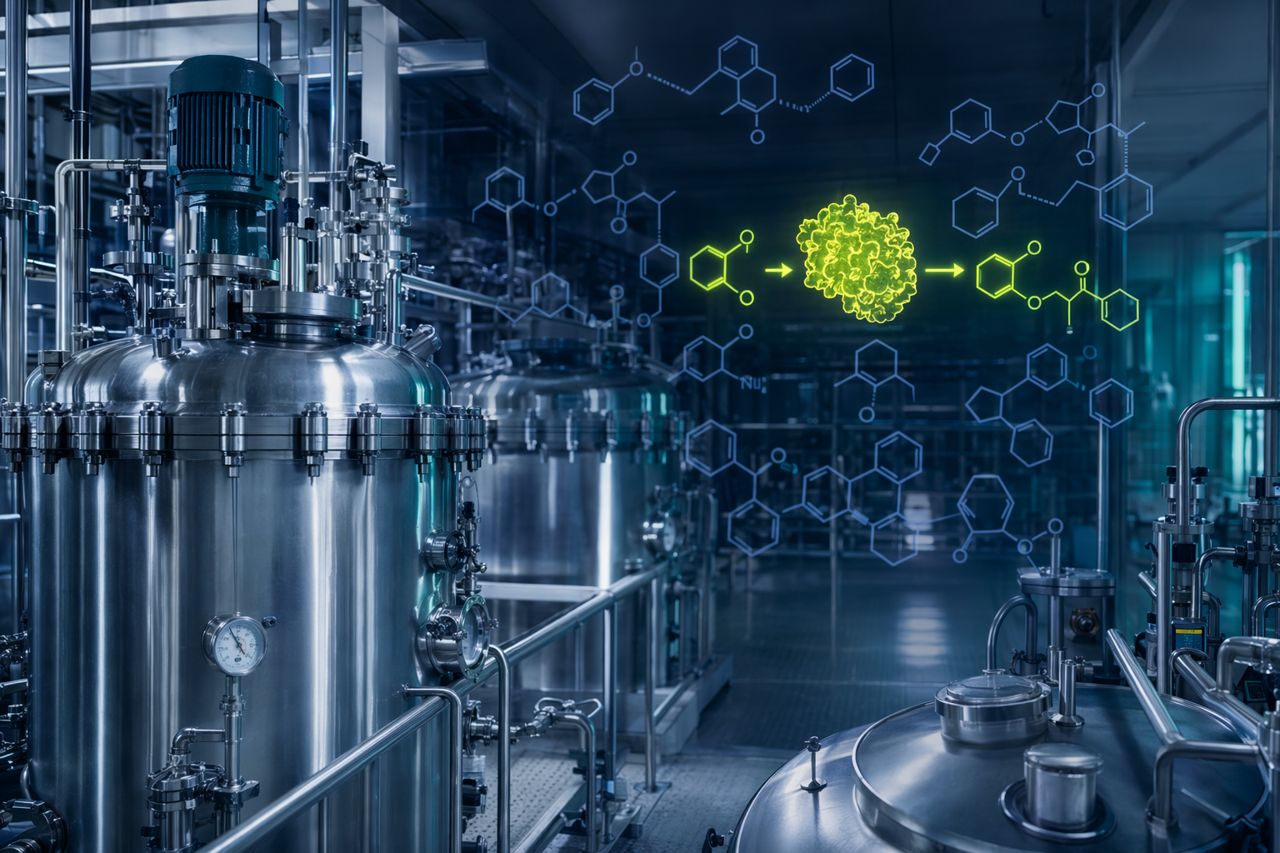
Biocatalysis has moved from a specialist route option to a practical manufacturing tool for API teams managing stereochemistry, impurity profiles, solvent burden, and process robustness. The current trend is not simply “more enzymes.” It is better integration of enzymatic steps into validated chemical manufacturing routes.
For process chemists, the relevant question is direct: where does an enzymatic transformation improve route economics, control a critical chiral center, reduce downstream purification pressure, or create a cleaner path to scale?
Chiralift supports pharmaceutical API manufacturers as a bulk enzyme supplier for pharmaceutical biocatalysis, with emphasis on route fit, documentation, supply continuity, and scale-up collaboration.
Trend 1: Enzymatic Steps Are Being Evaluated Earlier in Route Design
Biocatalysis is increasingly considered before the route is locked, not after conventional chemistry has reached a yield, impurity, or selectivity limit.
Early evaluation helps teams identify whether an enzyme-enabled step can:
- Set chirality with fewer resolution losses
- Avoid hazardous or high-burden reagents
- Reduce protecting group manipulation
- Improve impurity control before late-stage processing
- Simplify isolation by improving selectivity at the transformation level
The practical shift is timing. When enzymatic feasibility is screened early, the process team has more freedom to adjust substrate design, solvent strategy, workup, and upstream material quality.
Buyer implication
Ask enzyme suppliers for route-relevant feasibility input, not generic product lists. The enzyme has to fit the chemistry, the plant, and the documentation pathway.
Trend 2: Selectivity Is Being Treated as an Impurity-Control Tool
In API manufacturing, stereoselectivity and chemoselectivity are not academic advantages. They affect impurity fate, crystallization behavior, rejection strategy, and analytical control.
Enzymatic transformations are gaining attention where they can reduce formation of difficult-to-purge isomers or closely related impurities. This is especially valuable when a downstream purification step is already under pressure or when impurity rejection depends on a narrow operating window.
A well-fitted biocatalytic step can support:
- Cleaner chiral intermediate formation
- Lower burden on preparative separation or repeated crystallization
- More predictable impurity maps during scale-up
- Reduced risk of late impurity surprises
Buyer implication
The discussion should start with target transformation, impurity concerns, and process constraints. Enzyme selection is only useful when connected to the impurity-control strategy.
Trend 3: Process Teams Want Enzymes That Can Survive Manufacturing Reality
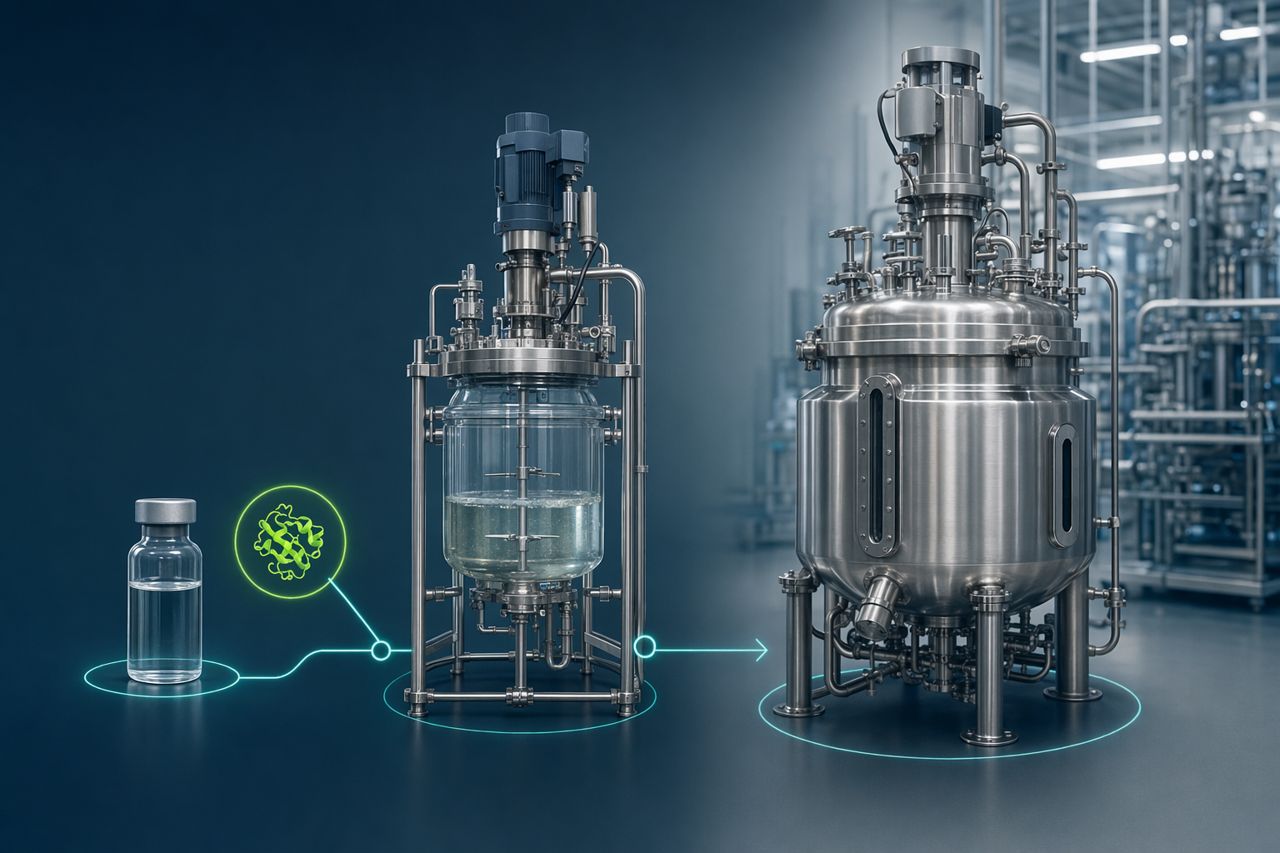
A promising lab result is not enough. API manufacturers need enzymatic performance that can be translated into practical batch or continuous processing conditions.
Key questions include:
- Can the enzyme operate under the solvent, pH, temperature, and substrate-load expectations of the route?
- Does the step tolerate upstream impurities or variable input quality?
- Is the workup compatible with existing plant equipment?
- Can the supplier support consistent bulk delivery for campaign planning?
- Is the technical documentation aligned with quality and procurement review?
The winning biocatalytic route is not always the most elegant one on paper. It is the one that can be controlled, supplied, documented, and repeated.
Trend 4: Immobilized and Reusable Formats Are Entering More Discussions
Immobilized enzyme formats are being considered when they may improve operational handling, simplify enzyme removal, support packed-bed concepts, or reduce total enzyme consumption across campaigns.
They are not automatically the best fit. The decision depends on substrate properties, desired residence time, fouling risk, solvent compatibility, mass transfer, and cleaning expectations.
Where appropriate, immobilized enzymes can help teams evaluate:
- Easier separation of biocatalyst from product stream
- Potential reuse across defined processing cycles
- Continuous or semi-continuous process concepts
- Reduced protein-related carryover concerns
Buyer implication
Treat immobilization as a process-design choice, not a default upgrade. The format should be selected around plant fit and validated handling requirements.
Trend 5: Documentation Expectations Are Moving Upstream
As biocatalysis becomes more common in regulated manufacturing, documentation expectations are being addressed earlier. Procurement, quality, regulatory, and process development teams need confidence that supply can support development and commercial planning.
A validation-aware enzyme supplier should be prepared to support discussions around:
- Product identity and specification framework
- Lot consistency expectations
- Manufacturing and quality documentation availability
- Change-control communication
- Supply planning for development, validation, and commercial campaigns
- Technical support during scale-up and troubleshooting
For API manufacturers, supplier maturity can be as important as enzyme performance.
Trend 6: Sustainability Claims Are Being Replaced by Measurable Process Benefits
Biocatalysis is often associated with greener manufacturing. That may be true, but process teams increasingly require measurable benefits rather than broad sustainability language.
Relevant metrics may include:
- Fewer synthetic steps
- Lower solvent or reagent burden
- Reduced waste from resolution losses
- Lower purification intensity
- Improved yield to key chiral intermediates
- Safer operating conditions
The best sustainability case is usually the same as the best process case: better selectivity, fewer losses, and a more controllable route.
How Chiralift Supports API Biocatalysis Programs
Chiralift works with pharmaceutical API manufacturers that need enzymes in bulk, with technical alignment to route development and manufacturing requirements.
Our support model is built around:
- Targeted enzyme recommendation for defined transformations
- Bulk supply planning from development through campaign scale
- Format discussions, including soluble and immobilized options where relevant
- Technical documentation for supplier qualification review
- Scale-up support focused on process fit, not generic screening claims
- Communication that aligns process chemistry, procurement, and quality teams
We do not position biocatalysis as a universal replacement for chemical synthesis. We help teams determine where it can improve a specific route.
Practical Questions Before Requesting an Enzyme Quote
To accelerate evaluation, process teams should prepare the following where available:
- Target transformation and substrate structure or class
- Desired stereochemical outcome
- Current route limitation or impurity challenge
- Approximate development or campaign scale
- Solvent, pH, and temperature preferences or restrictions
- Batch, continuous, or undecided processing concept
- Documentation expectations for supplier qualification
- Required timeline for sample, development supply, or bulk supply
These inputs help determine whether an enzyme solution is technically and commercially realistic for the route.
Request a Quote for API Biocatalysis Enzymes
If you are evaluating an enzymatic step for an API route, Chiralift can help assess enzyme fit, supply path, and documentation requirements.
Request a quote through the on-site form and include the target transformation, development stage, intended scale, and any process constraints you can share.